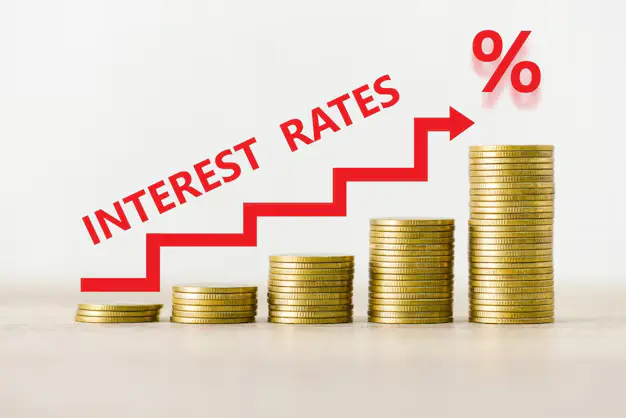
Interest rates are a central part of personal finance that directly impact how much you pay when borrowing money. Whether you take a loan, use a credit card, or consider refinancing, interest rates determine the cost of borrowing, how payments behave over time, and even how lenders set pricing.
In 2025, changes in interest rates around the world are influencing consumer behavior and borrowing decisions. This guide explores how interest rates affect loans and credit cards, helping you make more informed financial choices.
What Are Interest Rates?
Interest rates represent the price of borrowing money, often expressed as a percentage of the loan amount. For loans, this cost is typically reflected in the EMI (equated monthly installment) or periodic payments you make. For credit cards, interest is applied to unpaid balances as an annual percentage rate (APR).
Interest rates can be:
-
Fixed: Stay the same over the life of the borrowing.
-
Variable: Change with broader market or benchmark rates.
Central banks like the Federal Reserve (US), Reserve Bank of India (RBI), and Bank of England influence these rates as part of monetary policy to control inflation and support economic growth.
Interest Rates and Loans
1. Cost of Borrowing and Monthly Payments
Interest rates have a direct impact on borrowing costs. When rates rise, lenders charge more interest on loans. For products with variable interest rates, such as some personal and home loans, your monthly payments may increase as rates rise. Conversely, when rates decrease, your payments may become more manageable.
Changes in interest rates are reflected in loan offers, especially for variable rate loans, where borrowing costs follow broader economic trends.
2. Total Interest Paid Over Time
Higher interest rates increase the total amount you repay over the full term of a loan. For example, on long-term loans like mortgages or auto financing, even a small interest rate increase can substantially raise total interest expenses over years or decades.
Lower interest rates, in contrast, reduce the total interest paid, making long-term borrowing more affordable.
3. Loan Affordability and Demand
Interest rates also influence borrowing behavior. Higher rates tend to reduce demand, as consumers may postpone large purchases such as cars or houses. Lower rates typically encourage borrowing and spending, contributing to economic activity.
This effect was visible in 2025, when several central banks adjusted rates in response to inflation trends — reducing borrowing costs for consumers and encouraging spending.
4. Refinancing Considerations
Interest rate changes can present opportunities to refinance. If rates have declined since you took out a loan, refinancing might reduce your interest cost and monthly payments. However, if rates have increased, refinancing may offer limited benefits.
Refinancing decisions vary depending on personal financial goals and the specific loan structure.
Interest Rates and Credit Cards
1. Annual Percentage Rate (APR)
Credit cards typically use an APR to calculate the interest charged on carried balances. Unlike fixed loan rates, most credit cards have variable APRs tied to benchmark rates. When broader interest rates rise, card issuers often raise APRs as well.
This means that carrying a balance from month to month becomes more expensive when interest rates are high, since more interest accrues on the outstanding balance.
2. Variable Versus Fixed Interest
Nearly all credit cards in 2025 operate with variable APRs. These rates fluctuate with market benchmarks, such as the prime lending rate or other financial indexes. As benchmark rates change, your card’s interest charges can shift accordingly.
It’s important to review your credit card terms to understand how your APR might adjust with market changes.
3. Compounding Interest and Balance Growth
Credit cards charge interest on any balance that isn’t paid in full by the due date. Additionally, interest compounds — meaning interest is charged on previously accrued interest. This can cause balances to grow quickly if only minimum payments are made.
Keeping balances low and paying in full each month are effective ways to avoid high interest costs, especially when rates are elevated.
Recent Trends in 2025
In 2025, several key developments around interest rates are affecting loans and credit cards globally:
-
Rate reductions by central banks in some countries have aimed to stimulate economic activity by making borrowing slightly cheaper.
-
Some lenders have adjusted their loan pricing models to reflect lower benchmark rates, potentially reducing monthly borrowing costs for new loans.
-
Despite rate cuts, credit card APRs in certain regions remain relatively high, influenced by issuer pricing strategies and ongoing demand for unsecured credit.
These trends illustrate how broader monetary policy and market conditions can trickle down to individual borrowing costs.
Practical Tips for Borrowers
Here are some ways consumers can navigate changing interest rates:
-
Understand rate structure: Know whether your loan or credit card uses a fixed or variable rate.
-
Compare offers: Before choosing a loan, compare APRs and terms among lenders.
-
Pay on time: For credit cards, paying the full balance monthly avoids interest charges entirely.
-
Reevaluate periodically: If interest rates change significantly, reassess your loan strategy or refinancing options.
Understanding how interest rates impact your finances can help you make smarter borrowing decisions.
Conclusion
Interest rates remain a fundamental factor in the cost of loans and credit cards. While they don’t guarantee financial outcomes, knowing how rates affect borrowing costs and repayment timelines helps you plan responsibly.
Whether you’re considering a personal loan, managing credit card balances, or evaluating refinancing, staying informed about interest rate trends can support long-term financial wellbeing.

The Editorial Team
We are a collective of tech enthusiasts and digital experts dedicated to making sense of the evolving digital landscape for our global audience.
Connect With Us

0 Perspectives